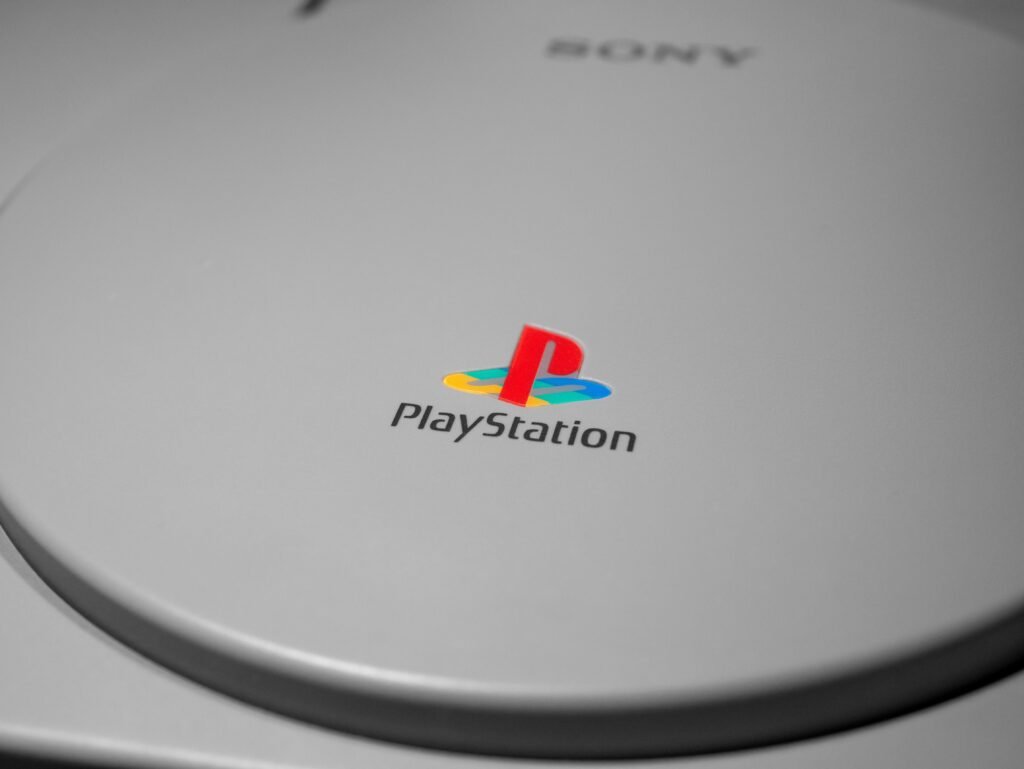
There was a time when buying a console meant bringing home a box, opening a pristine plastic case, and popping a physical disc right into the slot. You owned that game. It was sitting on your shelf, ready to be lent to a friend or replayed ten years down the line.
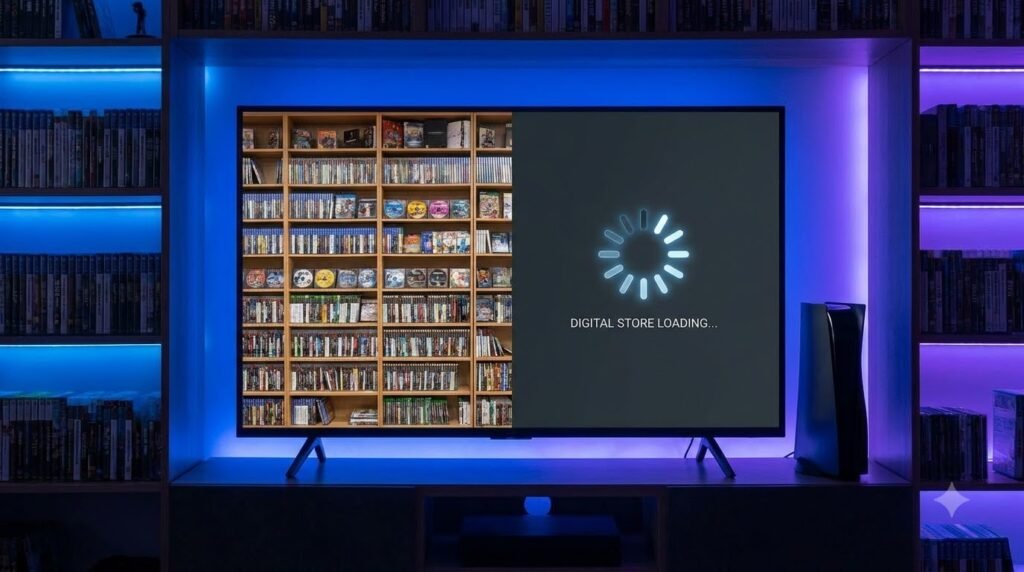
Fast forward to today, and the console ecosystem feels drastically different. Sony’s recent hardware trajectory—marked by the push toward digital-only base models and separate, often hard-to-find disc drive add-ons—has left a bitter taste in the mouths of dedicated physical media collectors.
However, a recent report by Video Games Chronicle (VGC) sheds light on the cold, hard economic reality driving this shift, suggesting that the era of simple hardware ownership is not just fading—it’s being actively re-engineered.
The Rising Cost of Next-Gen Power
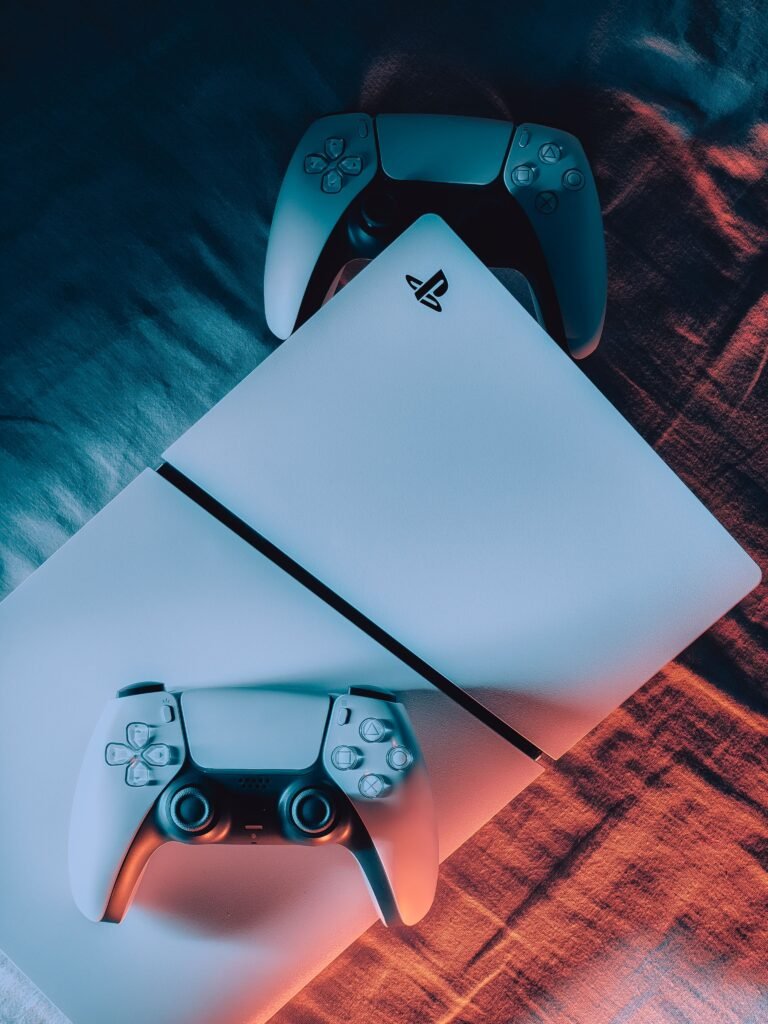
According to VGC, Sony President and CEO Hiroki Totoki recently confirmed that the company has not yet finalized the release date or price for the PlayStation 6 (PS6). The reason? Volatile component costs, particularly memory (RAM), are expected to remain extremely high through fiscal year 2027, driven by the explosive growth of the AI industry.
This puts Sony in a difficult position. To make the PS6 a meaningful leap over the PS5, it requires expensive, next-generation components. But if the Bill of Materials (BOM) remains high, Sony cannot afford to sell the console at a traditionally accessible price point.
The Illusion of Ownership & “Pay-to-Own”
This economic pressure directly correlates with the current push towards digital. The current model—selling a console with a physical drive—means Sony loses control over the lucrative second-hand market. An all-digital ecosystem, however, locks players into a closed storefront where prices remain strictly controlled.
For gamers, this is the root of the “Illusion of Ownership.” When you purchase a physical disc, you hold a tangible asset. In contrast, digital purchases are essentially long-term licenses that can be revoked or modified. The friction surrounding separate disc drives is not a flaw; it’s a nudge toward a future where true ownership becomes a relic.
Re-engineering the Business Model
The most worrying aspect of Totoki’s statement is that Sony is considering “changing business models” to adapt to these cost challenges.
What does this mean for the gamer? Analysts suggest Sony may need to reduce hardware manufacturing costs or explore radically new selling strategies. This could include shifting towards subscription-based hardware (similar to a smartphone contract), where players pay a monthly fee for the console and a bundle of services.
If true, the “PlayStation” of the future might no longer be a device you own outright, but a service you rent, where access to your entire physical PS4/PS5 library is gated behind the necessity of an optional, expensive, and perhaps even subscription-required external drive.
Preservation & The Consumer Under Threat
This shift strikes at game preservation and economic freedom. Physical discs foster a used market that many gamers rely on. Eliminating this completely eliminates this consumer ecosystem. Furthermore, backward compatibility relies on disc drives for those with massive physical libraries.
While digital convenience is undeniable, eliminating consumer choice is a risky path. If Sony continues to de-prioritize physical drive integration, physical media will fade out—not because consumers rejected it, but because corporations stopped making it viable. Convenience should expand our choices, not strip them away.